
Change Management
In todays world, change is inevitable, and for change to be successful and deliver the results intended, the process behind and the change itself needs to be managed. This is where change management comes in. The most successful companies treat change management as a standard procedure. They know, behind every new system, tool, or process lies something deeper: the people, behaviors, and routines that power day-to-day work. While changes might seem simple and the way to the “to-be” clear, it often all needs to adapt simultaneously. Without change management, changes might be well thought-through, but the execution and missing alignment of stakeholders, especially those whose day-to-day it impacts most, is often less than optimal, leading to subpar results, a lot of resistance and unfortunately, the intended changes often either don’t bring the expected outcome or don’t stick long-term at all.
But, what is change management exactly?
Change Management is a customized, structured approach that supports individuals, teams, and organizations in moving from an “As-is” state to a desired future state. At its core, Change Management focuses on the people side of transformation.
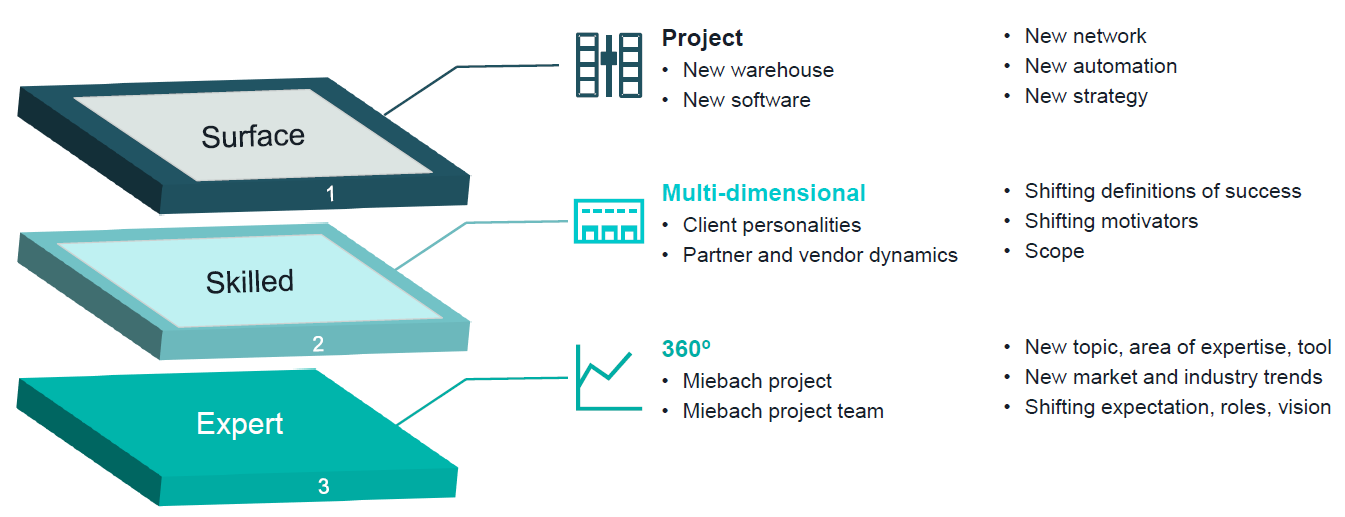
It is made up of differen activities that address how employees are impacted throughout different phase of the change lifecycle, ensuring their understanding, engagement, and alignment with new ways of working. By applying proven methodologies and tools, Change Management helps organizations identify and overcome risks, anticipate resistance, and resolve collaboration challenges. This enables change to be accepted, embraced, and successfully implemented across all levels of the organization.
Most importantly, Change Management is about shaping mindsets and behaviors. It provides the knowledge, communication, and support needed to help people adapt, grow, and ultimately thrive in times of transformation.
Relevance of Change Management
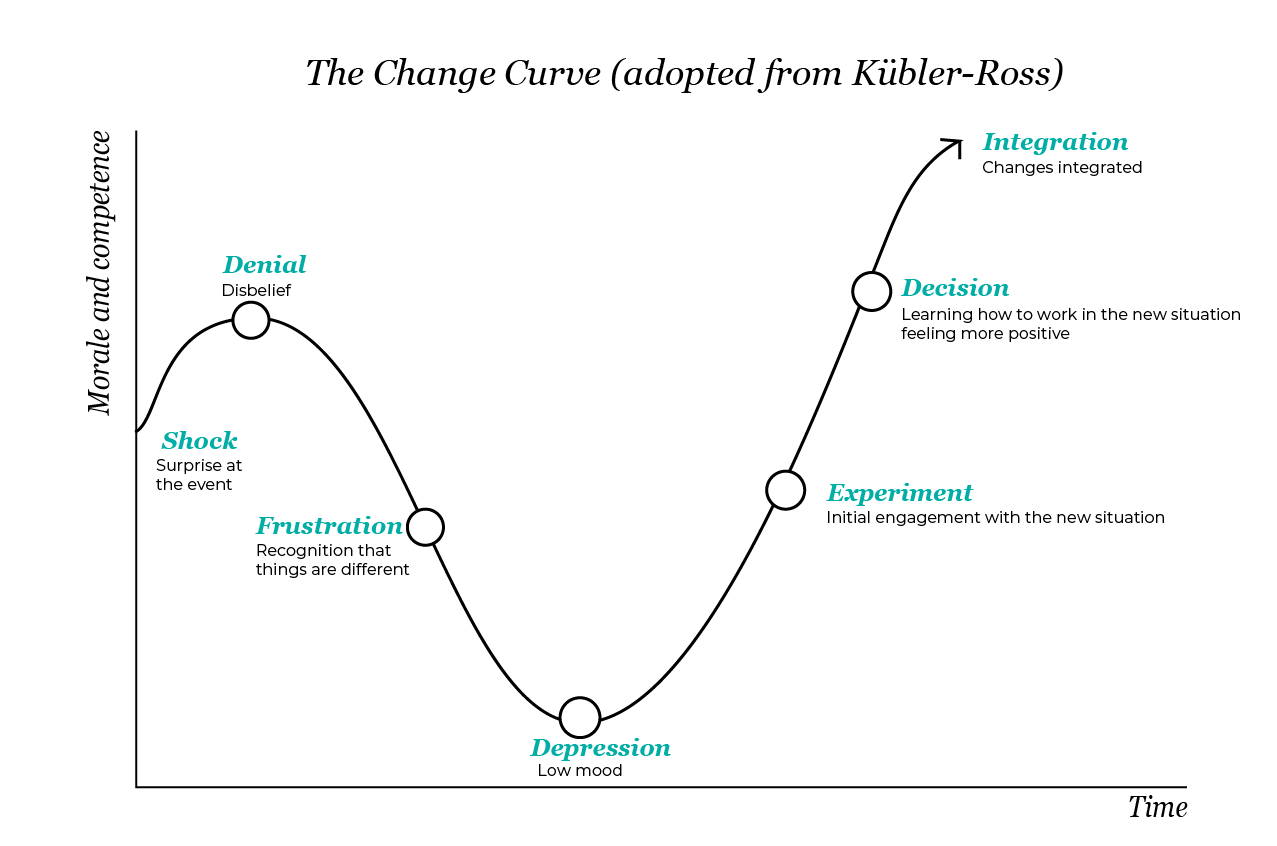
When not managing the change curve, employees resist change and persist in old ways and investments are not realized. The easier it is for employees to move through the curve, the easier it is for the organization to move towards a quality solution and successful implementation. The change intended needs to become a part of the organization’s core. The values behind the new vision must show in day-to-day work. Companies need to make sure that the transformation is visible in multiple aspects of the organization, giving the change a solid home. Wins are sustained by refreezing current and future states – and this is where change management comes in and excels.
Common use cases

Large network or facility changes
(new DCs/ automation) with workforce transition, training, and KPI adoption.

Impactful business (environment) changes
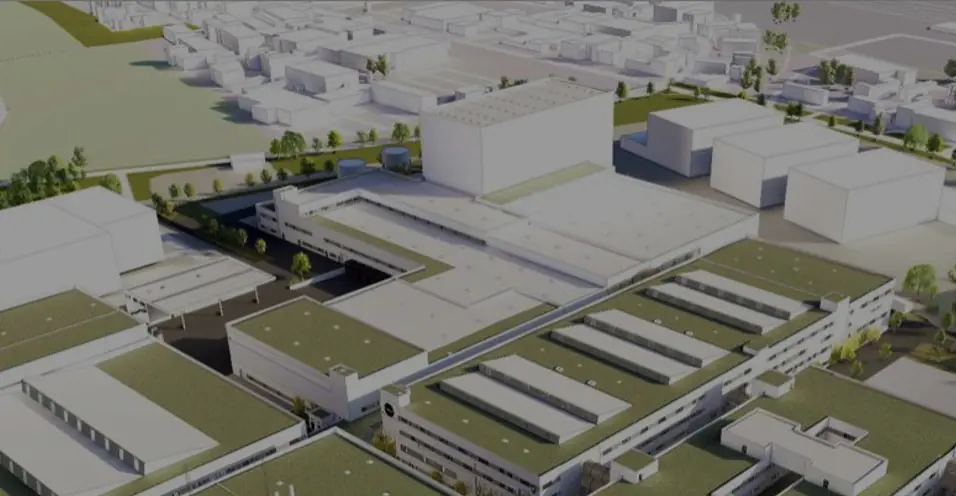
Enterprise moves/ greenfield “factory of the future” programs with internal change to embed new processes/ IT and process-oriented organizations.

Industry transformations
where new systems/ processes must land without operational disruption
Market Relevance & Challenges
What are the latest developments in the area of Change Management?
- Always-on, AI-augmented change:
Organizations are shifting from project-by-project to portfolio-level, AI-supported change (analytics for stakeholder targeting, content, and adoption signals). - Human-centered methods to combat fatigue:
Change willingness has declined sharply; resilience, co-creation, and manager-led conversations are emphasized. - Integration with agile/ PMO:
Best-practice trendlines show tighter integration of change with project/ portfolio management.
How the market is evolving?
Supply-chain transformations (automation, digital twins, nearshoring) increasingly hinge on workforce upskilling and adoption, not just technical deployment, so this is pressuring programs to include scaled change capabilities.
What specific pain points do companies face that this capability addresses?
Organizations often underestimate the challenges of driving successful change. Without the right approach, new techniques or processes risk falling flat, employees struggle to adopt them in practice. Even well-designed initiatives can be derailed by operational disruptions at cut-over, where service levels are missed, or productivity temporarily dips. At the same time, change fatigue and stakeholder resistance build up quickly when teams are asked to navigate multiple, overlapping initiatives. And even when changes get off the ground, there’s the risk of benefits erosion - where KPIs aren’t fully embedded, and desired behaviors aren’t consistently reinforced, causing early wins to fade away. Effective change management addresses these pain points head-on, ensuring that transformation is not only implemented but also sustained.
Capability Insights


The Miebach Difference
Many organizations underestimate the complexity of behavioral change. When organizations start working with us, they often say: "We had the strategy, but it didn’t land." That’s where we step in. We identify critical gaps early, e.g. in leadership consistency, communication tone, training effectiveness, or stakeholder trust. We actively manage resistance, not by suppressing it, but by making it part of the dialogue. We develop pragmatic action plans that strengthen ownership and reduce friction.
We can bridge the typical divide between technical go-live and cultural acceptance. We don’t just advise on what should change, but we build the conditions that make change work. We do not manage change “around the project”, but we embed it directly into the core process design, ramp-ups, and hand-overs.
Rather than applying off-the-shelf frameworks, we work with common models such as ADKAR and Kotter and tailor interventions to the organization’s maturity, energy levels, and transformation pressure. We equip leaders to lead visibly, involve the right stakeholders early, and set change markers throughout the project. Our Change Management doesn’t pause at kick-off. We maintain rhythm and focus through all project phases, ensuring that momentum turns into sustainable change.
Quick proof points
- SAMSON “MainChange”:
Major transformation program with internal change management to embed best-in-class processes and IT for a new “factory of the future.” - DC performance transformation:
Adoption-focused training and KPI discipline improved labor productivity and automation utilization. - Automation/ fulfillment scale-up:
End-to-end project and change management across vendor selection, implementation, and transition to new operating model.
What can we help you with?